How Pizza Place Cheyenne Restaurants Make Every Slice Memorable
@jeffreygttr943
November 17, 2026 · 15 min read
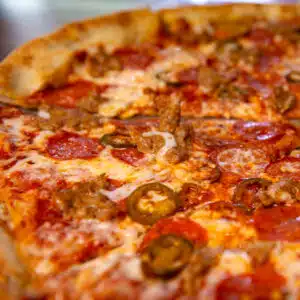
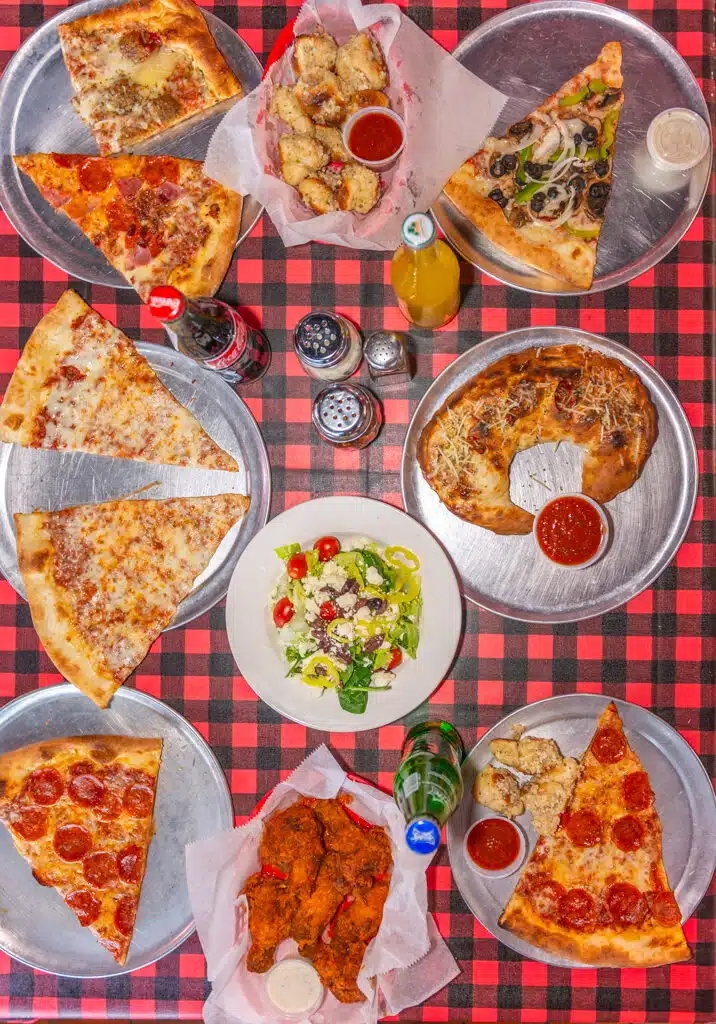
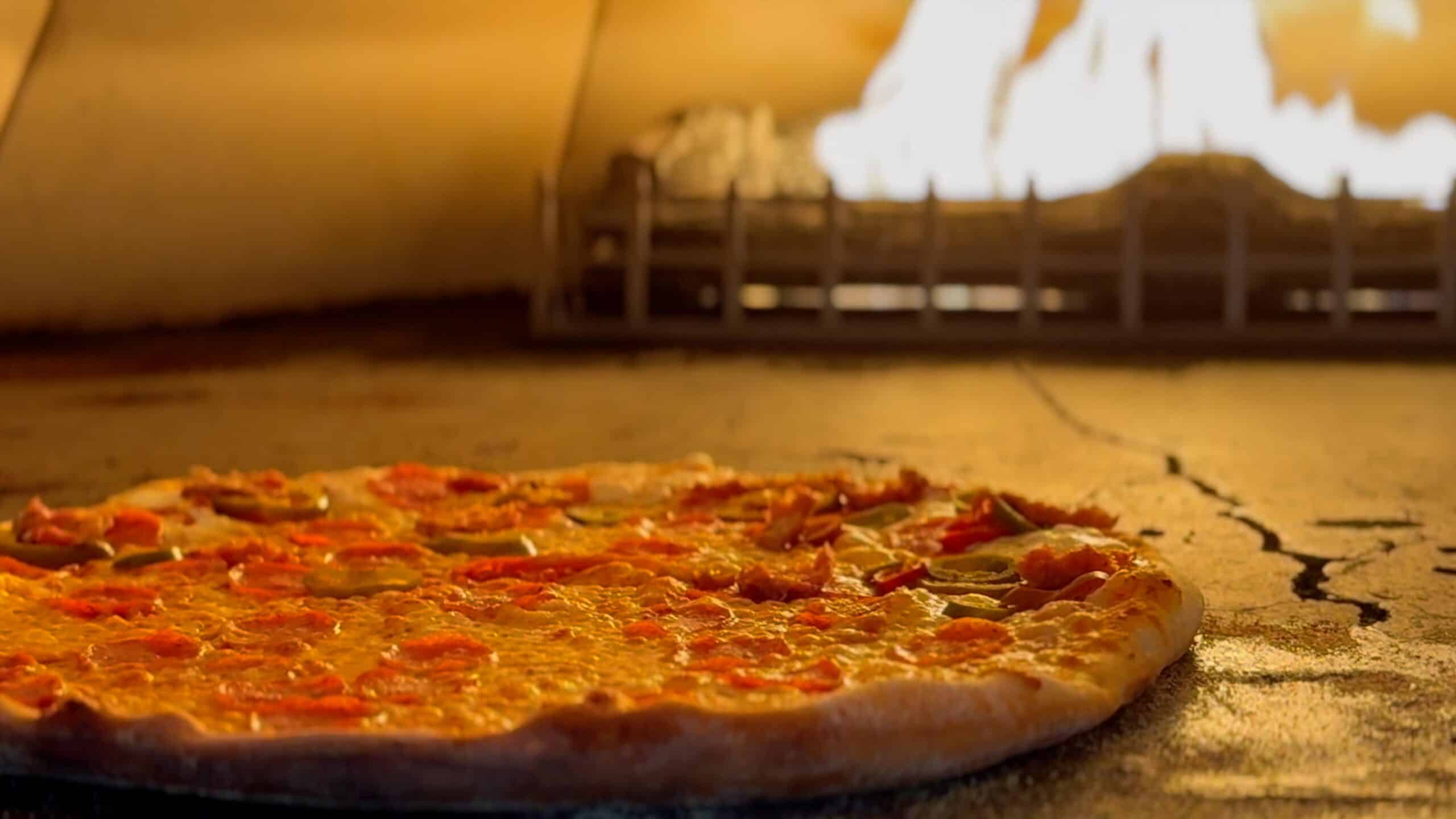
Cheyenne has never been a city that rewards shortcuts for long. People notice when a place cuts corners, and they notice just as quickly when a restaurant gets the details right. That is especially true with pizza. It looks simple from the outside, dough, sauce, cheese, heat, but anyone who has spent time around a serious kitchen knows pizza is one of the clearest tests of discipline a restaurant can face. Every step shows up on the plate. Every weakness gets exposed in a hurry.
That is part of what makes a great pizza place Cheyenne diners return to, week after week. Memorable pizza is rarely about one flashy topping or a social media gimmick. It comes from dozens of decisions made before the first pie reaches the table. The dough has to be handled with care. The sauce needs balance. The oven has to be managed with attention, not guesswork. Service matters too, because the experience begins before the first bite and often determines whether people remember the meal fondly or forget it by the next day.
Cheyenne restaurants that stand out in this category usually understand something basic but important. Pizza is comfort food, but it is not casual work. When a place treats it as craft instead of convenience, customers can taste the difference immediately.
Great pizza starts long before the oven
The memorable slice usually begins a day or two earlier. Dough is where good pizza places separate themselves from average ones. It is tempting to think customers only notice toppings, but most people can feel the difference between dough that was rushed and dough that had time to develop. A rushed dough often bakes up flat in flavor and dense in texture. A properly fermented dough carries a slight complexity, a gentle chew, and the kind of crust that browns instead of just drying out.
In a city like Cheyenne, consistency matters even more because climate can complicate baking. Dry air changes how dough behaves. Flour absorbs moisture differently from one day to the next. Kitchens that produce strong pizza night after night tend to compensate for those variables rather than pretending they do not exist. That means adjusting hydration, changing proofing times, or altering bake temperatures based on real conditions in the kitchen.
These are not glamorous decisions, but they matter. The best pizza place Cheyenne regulars talk about is often the one where the crust tastes alive, not like a delivery vehicle for cheese. The edge gets color without turning brittle. The bottom crisps without becoming hard. When that happens, every topping on the pie has a better stage to stand on.
Sauce is less about volume and more about restraint
One of the most common mistakes in pizza making is assuming more sauce means more flavor. In practice, too much sauce can drown everything else. It can leave the center soggy, mute the cheese, and turn each bite into a wet spill of tomato. Skilled Cheyenne pizza kitchens usually take the opposite approach. They use enough sauce to add brightness and depth, but not so much that it overwhelms the crust.
A good pizza sauce does not need to be complicated. It needs to be balanced. The tomato should still taste like tomato. Acidity needs enough sweetness to stay pleasant, but not so much sugar that the whole pie starts tasting like marinara from a jar. Herbs and garlic should support, not dominate. When sauce is right, people may not mention it directly, yet they finish the slice and instinctively reach for another.
That kind of balance is harder than it sounds. Restaurants that make it look effortless have usually tested their ratios repeatedly. They know how sauce behaves in a hot oven. They know which cheese pairings can handle a brighter tomato base and which need something softer and more rounded. Those judgment calls are the difference between decent pizza and the kind that lingers in memory.
Cheese matters, but blend matters more
Most diners ask whether the cheese is generous. Fewer ask whether it is appropriate. Memorable pizza is not simply buried under dairy. It uses cheese strategically, with an understanding of melt, stretch, oil content, and salt.
A lot of strong pizzerias use a blend rather than a single cheese, because mozzarella alone can be one-dimensional. It delivers melt and pull, but it often needs help from provolone, parmesan, fontina, or another cheese to bring sharper flavor or better browning. A thoughtful cheese blend gives each slice a richer profile without making it greasy.
There is a point where abundance becomes a flaw. Too much cheese traps moisture, weighs down the dough, and leaves the top of the pizza looking pale because fat rendered before the surface could caramelize. Places that know what they are doing aim for enough cheese to satisfy, not enough to smother. That choice may sound subtle, yet it is one of the clearest marks of professional restraint.
In Cheyenne, where diners tend to appreciate hearty food, that restraint is especially impressive when a restaurant can deliver a pie that feels generous without turning heavy. People leave full, but not fatigued. That is a better meal than a slice that looks oversized and eats like ballast.
Oven management is where craft becomes visible
Anyone who has worked in a busy kitchen knows the oven can humble even experienced staff. Temperature swings, rush periods, uneven hot spots, and changing ticket times all put pressure on execution. Pizza exposes those pressures in real time. One minute too long in the oven can dry out a pie. Thirty seconds too little can leave the center limp.
Cheyenne restaurants that make every slice memorable usually treat the oven as an active station rather than a passive machine. Someone is watching the bake, rotating pies when needed, reading the color of the crust, and adjusting based on the load. This level of attention becomes even more important during weekend rushes, when volume can tempt a kitchen to prioritize speed over finish.
Customers may not see that work, but they taste the result. The crust has leopard-like blistering or even browning instead of random pale patches. Cheese develops color rather than separating into oil pools. Toppings cook through without scorching. That kind of precision turns pizza from routine dinner into something worth talking about.
The toppings need a point of view
One reason local pizza scenes become interesting is that toppings reveal a restaurant’s personality. Some places lean classic, with pepperoni, sausage, mushrooms, olives, and onions done exceptionally well. Others experiment with combinations that draw from broader regional tastes, maybe green chiles, barbecue influences, sharper cured meats, or a stronger emphasis on roasted vegetables.
What matters most is not novelty by itself. A memorable topping combination should feel considered. Each ingredient needs a role. Salty meats should be offset by something sweet, acidic, or fresh. Rich cheeses benefit from peppery greens or a finishing drizzle that wakes the pie up. Vegetables should contribute texture, not just color.
When chefs and owners understand those relationships, customers notice. They might not describe the pie in technical terms, but they can tell when flavors have been built with intention. A pizza place Cheyenne residents recommend to visitors is often one that respects tradition while still giving the menu a local point of view.
A practical example helps here. Think about the difference between a generic meat lovers pie and one built with house-seasoned sausage, properly crisped pepperoni, thinly sliced red onion, and a restrained touch of fennel or chile. On paper, both are meat-heavy pizzas. In the mouth, they are worlds apart. One tastes like quantity. The other tastes designed.
Texture is what people remember even when they talk about flavor
Ask diners what made a slice special and they usually start with taste. Yet texture is often the reason they keep coming back. A memorable pizza has contrast. The edge should crackle slightly before yielding. The interior crumb should hold structure but stay tender. Toppings should feel integrated, not piled on like a casserole.
Texture can be ruined at several points. Overproofed dough can collapse. Underbaked dough turns gummy. Vegetables with too much moisture can soak the center. Sliced pizza left sitting too long in a box starts steaming itself into softness. Strong operators know all of this, which is why they pay attention not only to how the pizza cooks, but also to how it is finished and served.
This is one area where dine-in and takeout can diverge. A pizza that eats beautifully in the dining room may need slight adjustments for delivery or pickup. Some restaurants underappreciate that fact. Others plan for it carefully, choosing box ventilation, timing the cut, or calibrating bake so the pizza arrives in strong form. Those details can determine whether a customer remembers the meal as excellent or merely acceptable.
Service shapes the memory as much as the slice
Restaurants sometimes underestimate how much service changes the way food is perceived. Pizza may be accessible and informal, but that does not mean the guest experience is secondary. In fact, because pizza is often ordered in groups, families, teams, coworkers, service leaves a wider emotional imprint.
The best pizza places in Cheyenne tend to understand their role in local life. A family comes in after a game. Coworkers meet for a casual dinner. Friends stop by on a cold night because they want something familiar and satisfying. In those moments, hospitality matters. A warm greeting, accurate timing, honest recommendations, and a clean dining room all work together to make the meal feel dependable.
Dependable is not a small word in this context. For many customers, the most memorable restaurant is not the one that surprised them once. It is the one that delivered well repeatedly. If a server can guide a table toward a pie that actually suits their preferences, if the kitchen sends it out hot and balanced, and if the room feels comfortable enough for people to relax, that restaurant earns loyalty. Loyalty is the strongest proof that a place is making slices people remember.
Memorable pizza is often a product of discipline, not complexity
There is a myth in restaurant culture that memorable food has to be complicated. Pizza proves the opposite. Some of the most impressive pies are built from a short ingredient list and a lot of restraint. Discipline shows in the way the dough is mixed, the way toppings are portioned, and the way the final pie is cut and served.
A restaurant can impress diners by doing the basics exceptionally well:
- Dough that ferments properly and bakes with structure
- Sauce that complements instead of overwhelms
- Cheese applied with balance, not excess
- Toppings chosen for flavor and texture, not novelty alone
- Oven work that brings the whole pie into alignment
None of those points are mysterious. They are just difficult to execute consistently during a busy service, which is exactly why they matter. Restaurants that manage them well earn trust. Over time, that trust becomes reputation.
The room itself contributes to the slice
People rarely separate atmosphere from taste as neatly as they think. The same pizza can feel different depending on the room it lands in. Lighting, noise level, table spacing, music, even the smell when you walk in, all of it changes the experience.
Cheyenne has a dining culture that tends to value comfort without fuss. That can work beautifully for pizza. A restaurant does not need an elaborate concept to create memorable meals. It needs a setting where people can settle in, share food, and actually enjoy being there. Some of the most successful pizza dining rooms are built on practical choices, sturdy seating, manageable acoustics, visible kitchen energy, and staff who seem glad you came in.
That atmosphere matters for takeout-focused businesses too. Even if customers are only in the space for a few minutes, the impression counts. A clean counter, clear pickup process, and a team that stays composed during rushes can elevate the entire transaction. People remember smooth experiences, especially on nights when dinner could easily have become stressful.
Local habits shape what a successful pizza place delivers
Every market teaches restaurants something different. In Cheyenne, seasonality, weather, family dining patterns, and community ties all influence what makes a pizza place thrive. Colder months often intensify the appeal of hearty, hot food that travels well. Community events and sports schedules can create rushes that challenge kitchen timing. Repeat local customers may care less about trendiness and more about whether their favorite pie tastes the same every time.
That last point deserves attention. Consistency is rarely glamorous, but in the pizza business it is one of the most valuable qualities a restaurant can develop. People do not just want a good meal once. They want confidence that the crust they loved last month will still be right tonight. For operators, that means training matters. Prep standards matter. Portioning matters. Equipment maintenance matters.
This is also where small independent restaurants often distinguish themselves. They are close enough to their customer base to notice patterns quickly. If diners are responding to a thinner crust, a sharper sauce, or a particular topping combination, the kitchen can adapt without losing its identity. That responsiveness can make a local pizza place feel more personal than a national chain, even when both are serving pizza place cheyenne broadly similar categories of food.
Value is not the same thing as low price
Many diners use the word value when they really mean cheap. Restaurants know those are not the same thing. A memorable pizza experience feels worth what it costs. That could mean a modestly priced family pie that feeds four people well, or a more premium pizza built with higher-end ingredients and more labor. The key is alignment between price and experience.
A place that charges more than average has to justify it through quality, service, or both. Better flour, longer fermentation, stronger cheese, and more skilled labor all cost money. Customers may not know each technical reason, but they can sense when a pizza has integrity. At the same time, high price alone never guarantees memorability. Diners still expect generosity, competence, and flavor.
That is why some of the strongest pizza place Cheyenne options build their reputation on straightforward value. They give customers a pie that tastes carefully made, arrives hot, and feels satisfying enough to justify a return visit. That is the kind of equation people remember.
What diners notice first, and what keeps them coming back
First impressions with pizza are immediate. People see the crust color, smell the cheese and sauce, notice whether the slice sags, and judge whether the toppings look integrated or chaotic. The best restaurants tend to win that first test within seconds.
What keeps customers returning is deeper. Over time, people begin to appreciate a kitchen’s reliability, the way staff handle special requests, the fact that the house pie still tastes balanced after a hundred orders. They remember if the sausage tasted seasoned rather than generic. They remember if the vegetable toppings were cooked properly instead of dumped on raw. They remember if the pepperoni curled and crisped at the edges, releasing just enough fat to flavor the cheese without turning the whole slice oily.
For diners trying to identify a truly strong local pizza spot, a few signs are worth watching:
- The crust tastes good on its own, even at the edge
- The center of the slice holds up when lifted
- Toppings feel deliberate, not crowded
- The pie arrives with clear heat, aroma, and color
- The restaurant performs well even when it is busy
Those cues are practical and easy to miss if you are only focused on size or price. Yet they reveal far more pizza place cheyenne about the skill of the kitchen than a menu description ever will.
Why the memorable slice usually feels effortless
The irony of great pizza is that the better it is, the easier it can seem. Diners see a simple plate. They do not see the planning behind dough schedules, prep discipline, oven timing, staffing, and ingredient sourcing. They do not see the judgment that went into choosing a cheese blend or reducing the sauce by a small amount because the tomatoes came in slightly different that week.
That invisible work is what separates a forgettable meal from a slice people talk about later. When Cheyenne restaurants make pizza that feels memorable, they are doing more than serving comfort food. They are translating craft into something approachable. They are taking a dish most people think they understand and reminding them how good it can be when every component is handled with care.
That is why a truly strong pizza place Cheyenne diners trust earns a place in local routine. It becomes the spot for family dinners, game-night pickup, casual meetings, and those evenings when only a hot, well-made pie will do. The slice is memorable because the restaurant respects every part of making it, from the first mix of dough to the final handoff across the table. When that respect is present, customers do not need it explained to them. They taste it.
Ruffrano's Hell's Kitchen Pizza Cheyenne
Address: 1670 E Cheyenne Mountain Blvd, Colorado Springs, CO 80906
Phone number: +17195764355
FAQ About Pizza Place Cheyenne
What's the most popular pizza place?
The "most popular" pizza place depends on whether you measure by location count, total sales, or customer favorite status.
What is the 2 pizza rule?
The two-pizza rule is a management principle made popular by Amazon founder Jeff Bezos. It states that a team or meeting should never be larger than what can be fed with two large pizzas—typically translating to a group of 5 to 10 people (or roughly 6 to 12 people depending on appetites).
Is 2 pizzas enough for 10 people?
No, 2 pizzas are usually not enough for 10 people.