How to Find a Kid-Friendly Pizza Place in Cheyenne
@jeffreygttr943
November 17, 2026 · 14 min read
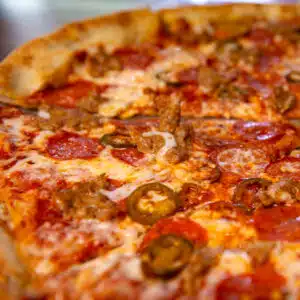
Finding a pizza spot that works for adults is easy enough. Finding one that works for adults and children, especially tired, hungry children, takes a little more judgment. Parents are rarely just looking for the best crust or the boldest sauce. They are looking for a place where the food comes fast enough, the room is forgiving enough, and the whole meal does not feel like a negotiation from the moment the drinks arrive.
That is especially true in Cheyenne, where dining habits tend to be practical and family schedules are often packed with school events, sports, errands, and weather that can shift plans in a hurry. A truly kid-friendly pizza place in Cheyenne does more than put cheese pizza on the menu. It makes the experience easier. It gives parents room to breathe. It understands that a successful family meal is part food quality, part timing, part atmosphere, and part staff attitude.
If you are trying to choose the right place, it helps to know what matters most before you ever pull into the parking lot.
What “kid-friendly” really means
A lot of restaurants describe themselves as family-friendly, but the phrase can be vague to the point of uselessness. In practice, kid-friendly usually means a few specific things.
First, the environment needs to absorb a reasonable amount of noise and movement. Children are not quiet in the same way adults are quiet. Even well-behaved kids drop crayons, ask loud questions, and need attention at unpredictable moments. A restaurant that feels tense when a toddler laughs too loudly is not truly set up for families, no matter how many high chairs it keeps in the corner.
Second, the food has to be flexible. Some children will eat anything on a pizza, from mushrooms to jalapenos. Others want plain cheese and nothing touching it. Good family pizza places understand both ends of that spectrum. They make split toppings easy, offer sizes that make sense for smaller appetites, and do not act inconvenienced when a parent asks for a simple adjustment.
Third, service matters more than people realize. Many family meals go wrong not because the food is bad, but because everything takes too long. Kids often arrive hungry and have a short window before hunger turns into a full mood shift. A server who notices that and gets drinks out quickly, or a kitchen that moves a basic pie along without delay, can make the difference between a pleasant dinner and a stressful one.
Start with the room, not the menu
Most parents begin by checking the menu online. That makes sense, but if your main goal is a smooth family outing, the room matters first. You can often tell a lot from photos, reviews, and a quick look through social pages.
Look for the spacing between tables. In tighter dining rooms, every extra stroller, booster seat, or winter coat creates friction. Cheyenne families know how bulky cold-weather gear gets for a good part of the year. If the restaurant has narrow aisles and cramped seating, simply getting everyone settled can feel harder than it should.
Pay attention to the sound of the place too. A bustling pizzeria with a steady stream of families tends to be more forgiving than a quieter, date-night-oriented room where every voice carries. In a lively setting, a child dropping a fork barely registers. In a hushed dining room, it feels like a headline.
Lighting can also tell you whether the restaurant fits the occasion. Bright, casual spaces generally work better for young kids than dim dining rooms built around a slower, more adult meal. Parents often underestimate this until they are trying to cut pizza for a five-year-old under low lighting while managing drinks, napkins, and a booth seat that is too slippery.
Why staff attitude matters as much as pizza quality
Families remember how a restaurant made them feel. That memory lasts longer than a particularly good slice.
When staff greet children warmly, bring cups with lids without being asked, or respond calmly to simple requests, parents notice. Just as important, children notice. A relaxed server often helps the whole table settle faster. On the other hand, even a strong kitchen cannot save a meal where the staff seem impatient with normal family needs.
One of the clearest signs of a genuinely kid-friendly pizza place in Cheyenne is whether families seem routine rather than exceptional. If the staff treat booster seats, extra plates, split pies, and early-evening dinner rushes with quiet competence, that is a good sign. It means the restaurant has built systems around real family dining patterns, not just Ruffrano's Hell's Kitchen Pizza Cheyenne pizza place cheyenne tolerated them.
This shows up in small moments. Does someone offer to clear finished plates quickly so the table does not feel crowded? Do they bring ranch, extra napkins, or a side plate without making it a production? Do they check back at a useful moment, rather than when every parent has their hands full? These are operational details, but for families they shape the entire experience.
The menu should make decisions easier
Many parents think a large menu is automatically better for kids. Sometimes it is. More often, a thoughtful menu helps more than an oversized one.
Children usually do best when there are a few dependable options presented clearly. A simple cheese or pepperoni pizza, maybe breadsticks, perhaps a salad or pasta option for the outlier child who is not in a pizza mood, is often enough. Too many choices can slow everything down, especially with younger kids who are already hungry.
Portion flexibility matters too. Personal pizzas, half-and-half topping options, and slices available at certain times can be useful. Families with mixed ages benefit from menus that allow them to scale the meal sensibly. A household with one teenager and one preschooler has very different needs than a family with three grade-school kids.
It is also worth checking whether the restaurant can accommodate common food issues without turning it into a problem. That does not mean expecting every pizza place to handle every dietary preference flawlessly. It does mean noticing whether they communicate clearly about ingredients, crusts, and substitutions. For parents managing allergies or sensitivities, a straightforward answer is far more valuable than a vague promise.
Timing is not a minor detail
At home, if dinner runs fifteen minutes late, you can improvise. At a restaurant, fifteen extra minutes can feel much longer. The best family pizza meals happen when the timing lines up with a child’s tolerance, not an adult’s ideal evening.
In Cheyenne, weeknight family dining often clusters early. That can work in your favor if you plan around it. Arriving just before the busiest dinner wave can mean faster seating and quicker service. Waiting until everyone else has the same idea, especially after school events or sports practice, can lead to a packed lobby and hungry kids unraveling on the bench by the front door.
Carryout and dine-in should be judged differently as well. A place that excels at dine-in family service may be average at pickup. Another might be perfect for a Friday night takeout routine when the weather is rough and nobody wants to wrangle kids through a restaurant. If your priority is simply keeping the evening smooth, it helps to decide which format you actually need before judging the place.
A family-friendly pizzeria should also have a reasonable sense of pace between ordering and food arrival. Pizza takes time, of course, and most parents understand that. The issue is not whether a pie takes twelve or eighteen minutes. The issue is whether the restaurant manages that wait well with quick drinks, appetizers that fit the table, and enough communication to keep everyone calm.
Cleanliness tells you a lot
Parents often scan bathrooms before they fully trust a restaurant, and for good reason. Restrooms reveal how closely the place is being maintained when nobody is trying to impress you directly. If the bathroom is reasonably clean, stocked, and easy to use with a child in tow, the rest of the operation is often on solid ground.
The same goes for high chairs, booster seats, and the condition of the table itself. You are not looking for perfection. You are looking for signs that family use is normal and planned for. Sticky condiment bottles, torn booster straps, or floors scattered with debris suggest the restaurant may be stretched thin in ways that matter.
A well-run pizza place tends to understand that family dining creates a certain kind of mess and prepares for it without fuss. That is very different from a restaurant that acts surprised every time a child spills water.
What online reviews can and cannot tell you
Reviews help, but they need interpretation. A parent searching for a pizza place in Cheyenne can waste a lot of time if they read every comment at face value.
Look for repeated details rather than isolated praise or complaints. If multiple reviewers mention quick service with kids, roomy booths, patient staff, or easy customization, those signals matter. If several parents mention long waits with no communication, crowded seating, or staff seeming irritated by children, take that seriously too.
At the same time, some reviews reflect expectations that were never realistic. A slammed restaurant on a Saturday night may not deliver a perfect family experience, even if it is a solid spot on a Tuesday at 5:15. Context matters. Try to separate problems that sound structural from problems that sound situational.
Photos from customers often tell you more than star ratings. A room full of families, visible space between tables, and pizzas that look consistent from table to table can be more useful than a long review focused on one bad interaction. Trust patterns, not drama.
A quick checklist before you go
If you want to make the decision easier, these are the details worth checking in advance:
- Look at current photos to judge space, seating, and noise level.
- Read recent family-focused reviews, not just overall ratings.
- Check whether the menu allows simple customization and manageable portions.
- Consider the time you plan to arrive, not just the restaurant itself.
- Call ahead if you need high chairs, allergy guidance, or faster service timing.
That five-minute check can spare you an hour of avoidable stress.
Best signs once you walk in
Sometimes you cannot know for sure until you are standing at the host stand. At that point, a few things become obvious very quickly.
If families are already eating comfortably, that is a good sign. If children are present and nobody looks tense about it, even better. Watch the staff for a minute. Are they moving with control or scrambling? Do they acknowledge waiting guests promptly? Is the dining room noisy in a healthy way or chaotic in a way that signals delays and crowding?
The host interaction matters too. A good host can improve the entire experience by seating a family where there is enough room to maneuver and where younger children will not be boxed into a high-traffic path. If the host seems practiced in handling families, the restaurant probably sees enough of them to have the basics down.
Menus should arrive quickly. Drink orders should happen soon after. These steps may seem ordinary, but with children they have outsized impact. A table that gets settled early usually stays settled.
The value of booths, forgiving floors, and simple extras
Parents get practical fast. Booths are often better than loose tables for younger children because they create a clearer boundary. Kids are less tempted to wander, and parents spend less time repositioning chairs. Plenty of napkins, sturdy cups, and table surfaces with enough room for plates, cups, and a coloring page also matter more than any restaurant designer probably wants to admit.
Then there are the details that never make it into advertisements but count for a lot. Is there a place to park without crossing a chaotic lot? Can you get in and out without hauling kids through a bar crowd? If the weather turns cold or windy, can you enter without standing outside for long? Cheyenne parents know these things are not small. They shape whether dinner feels doable on an ordinary weeknight.
Some pizza places also earn loyalty simply by understanding family economics. A meal out with several children adds up quickly. Specials, shareable pies, and sensible pricing on drinks and sides can make a restaurant feel far more welcoming than flashy branding ever could. Kid-friendly does not have to mean cheap, but it should feel fair.
When takeout is actually the smarter family move
A useful truth that experienced parents learn early is that kid-friendly does not always mean dine-in. Sometimes the best family pizza option is a reliable restaurant that packages food well, gets orders right, and has a pickup process that does not create more work than it saves.
This is especially true after late practices, on cold evenings, or during those stretches when children are already overtired before dinner starts. In that situation, even the best restaurant seating cannot compete with pajamas, your own drinks, and the ability to hit pause if somebody melts down over the wrong crust.
That does not mean giving up on finding a good local spot. It means evaluating the pizza place in Cheyenne on two separate tracks. One is how well it serves families in person. The other is how well it supports family life when home is the better setting. The strongest neighborhood pizza businesses usually do both.
Red flags parents should trust
You do not need to overanalyze every outing, but a few warning signs deserve attention because they tend to predict a rough meal.
- Staff seem annoyed by simple child-related requests.
- The restaurant is so cramped that seating your family feels like a puzzle.
- The wait time is vague and nobody offers realistic updates.
- The menu makes basic customization harder than it should be.
- The room feels designed for adults who want a quiet, lingering meal.
Any one of these can be manageable. Several at once usually mean it is the wrong fit for that night.
Finding your family’s version of “best”
There is no universal perfect pizza place for every family. A household with toddlers may care most about speed and noise tolerance. Parents with older kids may prioritize better ingredients, bigger tables, or a menu that keeps everyone happy through middle school. A family with one adventurous eater and one cautious eater will judge a place differently than a family where everybody orders pepperoni and calls it done.
That is why the best approach is not chasing the most hyped restaurant. It is matching the restaurant to your family’s real needs. Sometimes that means choosing the place with the broadest menu. Sometimes it means choosing the place with the fastest service and least stressful parking, even if the pizza is only very good rather than memorable.
Over time, most families develop their own internal scorecard. They remember where the staff were kind, where the booths worked well, where the pie arrived before tempers frayed, and where nobody minded a little extra noise. Those practical memories are often more useful than awards or trends.
A good kid-friendly pizza place in Cheyenne earns repeat visits because it understands what family dining feels like from the parent side of the table. It recognizes that children are not a special case. They are part of the community, part of the dinner rush, and part of what makes a local restaurant feel woven into everyday life.
When you find a place that serves solid pizza, treats kids like normal guests, and makes the evening easier rather than harder, you tend to know it quickly. The meal ends with full stomachs, no unnecessary drama, and parents already thinking, yes, we can do that again. That is the standard worth looking for.
Ruffrano's Hell's Kitchen Pizza Cheyenne
Address: 1670 E Cheyenne Mountain Blvd, Colorado Springs, CO 80906
Phone number: +17195764355
FAQ About Pizza Place Cheyenne
What's the most popular pizza place?
The "most popular" pizza place depends on whether you measure by location count, total sales, or customer favorite status.
What is the 2 pizza rule?
The two-pizza rule is a management principle made popular by Amazon founder Jeff Bezos. It states that a team or meeting should never be larger than what can be fed with two large pizzas—typically translating to a group of 5 to 10 people (or roughly 6 to 12 people depending on appetites).
Is 2 pizzas enough for 10 people?
No, 2 pizzas are usually not enough for 10 people.