The Secret to a Great Pizza Place Cheyenne Experience
@jeffreygttr943
November 17, 2026 · 14 min read
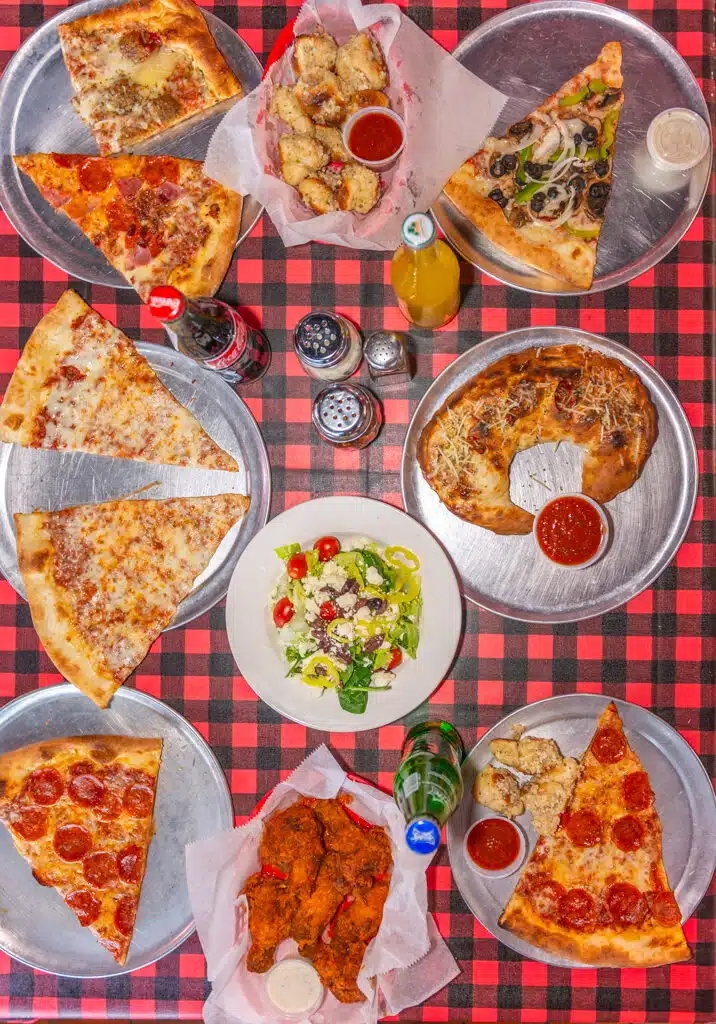
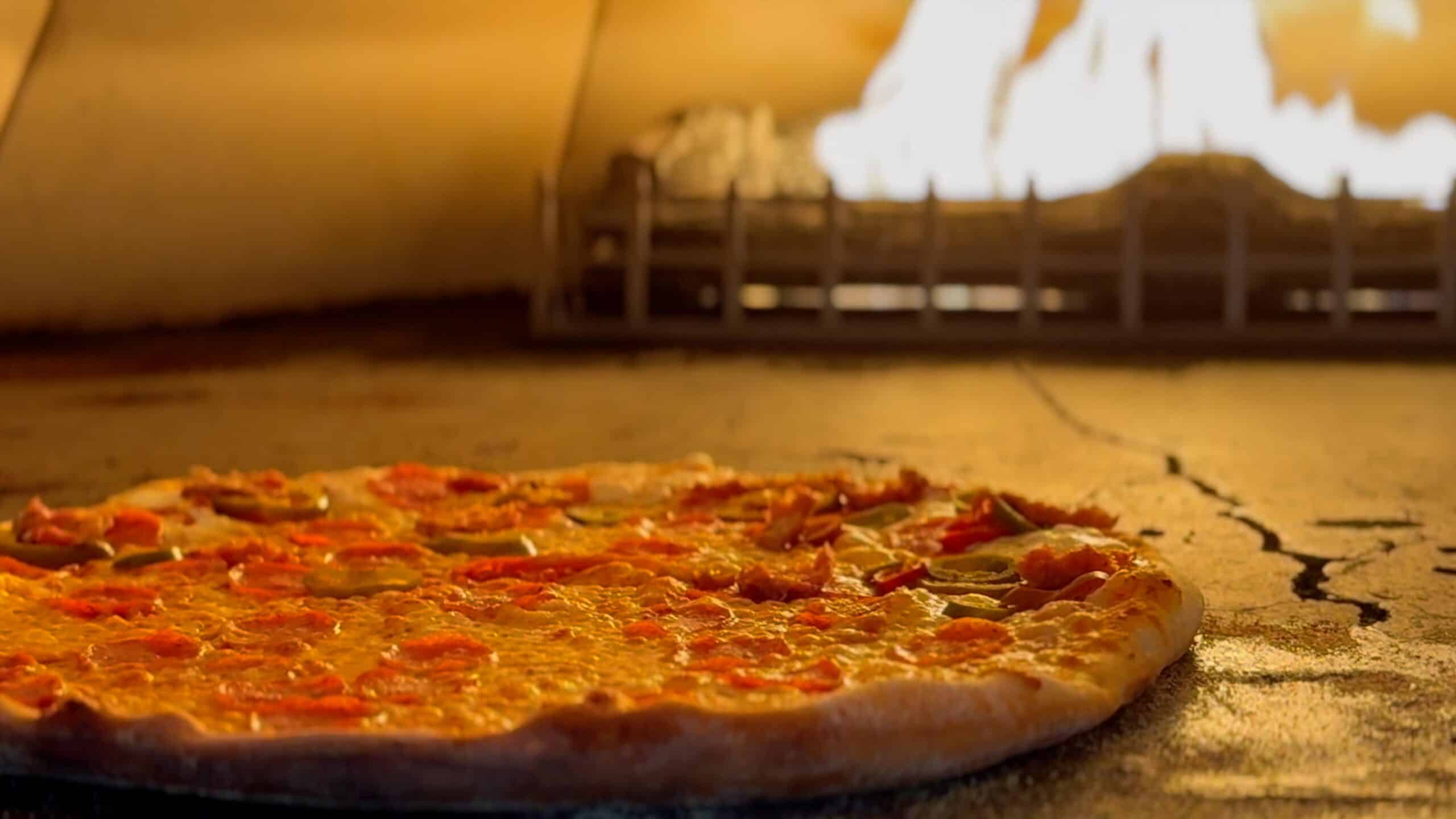
A great meal at a pizza place is never just about melted cheese and a hot oven. In Cheyenne, where people value substance over flash and where a restaurant has to earn repeat business through consistency, the difference between an average night out and a memorable one usually comes down to a handful of practical details. Some are obvious, like the quality of the crust. Others are quieter, like the pace of service on a busy Friday or whether the dining room feels comfortable enough to make people stay for one more slice.
The secret to a great pizza place Cheyenne experience is not a single trick. It is a combination of craft, judgment, hospitality, and local awareness. When those pieces line up, people notice. They come back after ball games, during work lunches, after a long drive, or on nights when cooking at home feels like one task too many. A good pizza place can feed you. A great one becomes part of the rhythm of town life.
What people are really looking for in Cheyenne
Cheyenne diners tend to be practical, but that does not mean their standards are low. Quite the opposite. In places with a strong local identity, customers often have a sharp sense of value. They know when a pie was made with care and when a kitchen is cutting corners. They notice whether toppings are balanced or piled on without thought. They remember if the staff handled a crowded room calmly or let things slip.
A family heading out for dinner may want generous portions, fair prices, and enough options to please both the child who wants plain cheese and the adult craving something with heat and character. A couple meeting after work may care more about atmosphere, a crisp crust, and a drink list that does not feel like an afterthought. A construction crew stopping in at lunch might focus on speed, portion size, and whether the slices hold up without collapsing under grease.
Those needs are different, but the restaurants that satisfy them best usually share the same habits. They take the basics seriously. They understand that hospitality is not performative. They make food that feels dependable without being dull.
The crust tells the truth
Anyone who has spent time around pizza kitchens learns quickly that crust reveals almost everything. Sauce and toppings can distract for a minute, but one bite into the rim or the base of a slice tells you whether the shop has discipline.
A strong crust should have structure. It should support toppings without turning floppy in the center, yet it should not eat like dry bread. There should be some contrast, a little chew inside, a little crispness outside, and enough fermentation flavor to make the dough taste like something on its own. In a climate like Cheyenne’s, where elevation and dryness can affect dough handling, getting that balance right takes attention. Water absorption, proofing time, and oven behavior matter more than casual diners may realize.
That is one reason the best local pizza places stand out. They do not simply follow a formula and hope for the best. They adjust. On dry days, dough may need different handling. During a rush, timing matters even more because overproofed dough can lose its strength fast. A kitchen that respects dough has a better chance of turning out good pies hour after hour, not just one impressive pizza for a social media photo.
Sauce should support, not dominate
Bad sauce is surprisingly easy to spot. It is either too sweet, too heavy with dried herbs, or ladled on so thick that it drowns the rest of the pie. Great sauce works differently. It sharpens the flavor of the cheese, brightens the richness of meat toppings, and gives the crust a little moisture without soaking it.
In a well-run pizza place Cheyenne diners can trust, the sauce often shows restraint. That restraint is not boring. It is smart. Tomatoes already bring acidity and depth when handled properly. They do not need to be buried under sugar or overloaded seasoning. A cleaner sauce gives the pie more balance and keeps individual ingredients recognizable.
This is one of those details that separates kitchens built for long-term reputation from kitchens chasing quick approval. People may not always say, “The sauce was properly balanced,” but they will say the pizza tasted fresh, or that they did not feel weighed down after the meal. Those reactions usually trace back to good judgment in the sauce.
Cheese and toppings are about proportion
There is a common mistake in pizza culture, the assumption that more automatically means better. More cheese, more pepperoni, more everything. That approach can work for a certain style, especially when people want indulgence, but too much can throw a whole pizza out of balance. Excess cheese traps steam, slides off in sheets, and mutes the flavor beneath it. Overloaded toppings can keep a crust from baking properly. A mountain of ingredients can look generous while delivering a weaker bite.
The best pizza places understand proportion. Cheese should melt into the pie, not sit on top like a blanket. Pepperoni should crisp at the edges without flooding the surface with grease. Vegetables should be cut and applied in a way that accounts for how much water they release in the oven. Sausage should be seasoned enough to matter, but not so aggressively that it overwhelms every other topping.
That sort of balance is not accidental. It comes from repetition and restraint. It is one of the least glamorous parts of running a pizza shop, but it may be the most important. A place that handles proportion well can make a simple cheese pizza memorable and a loaded specialty pie coherent.
Service shapes the meal more than owners think
A pizza place can make excellent food and still lose people if the service feels chaotic, cold, or inattentive. This matters in every market, but especially in communities where word travels fast. One rushed or careless interaction can outweigh a solid kitchen performance.
Good service in a pizza restaurant does not need to feel formal. In fact, it often works best when it feels grounded and direct. Guests should be greeted quickly. Orders should be repeated clearly when there is any chance of confusion. Delays should be acknowledged before customers have to ask. If a kitchen is backed up, people usually respond well to honesty. Most diners are patient when they believe a team is competent and transparent.
I have seen this play out in busy casual restaurants again and again. Two dining rooms can have the same wait time, the same staffing shortage, and the same Friday night pressure. One room gets tense because nobody communicates. The other stays relaxed because a server says, with confidence, that pies are taking a little longer than usual and offers a realistic timeline. People do not need perfection. They need confidence that someone is in control.
The room itself matters
Atmosphere in a pizza restaurant is often misunderstood. It is not only about decor. It is about whether the space supports the kind of meal people came to have. A family-friendly dining room should not feel cramped and hostile to noise. A casual date-night spot should not feel so brightly lit that everyone wants to leave as soon as they finish eating. A sports crowd wants energy. A weekday lunch crowd wants efficiency.
The strongest restaurants make these choices on purpose. They think about table spacing, acoustics, music volume, and how traffic flows from the front door to the counter or host stand. They notice whether takeout customers are clogging the entrance. They make sure the room smells like food in a good way, not stale fryer oil or sanitizer.
For a pizza place Cheyenne residents recommend often, atmosphere usually lands in a sweet spot. It feels relaxed, but not neglected. It feels welcoming, but not generic. People can come in work clothes, bring kids, meet friends, or settle in for a slower dinner without feeling out of place. That flexibility is harder to create than it looks.
Why consistency wins over novelty
Specials and creative combinations can be useful, and a good seasonal pie can draw attention. Still, novelty rarely keeps a pizza place busy year after year. Consistency does. The crust needs to be good on a Tuesday afternoon, not just on Saturday night when the owner is in the kitchen. The salad should be fresh every shift. The ranch, if the place serves it, should taste the same each visit. The dining room should feel equally cared for on quiet days and packed ones.
Consistency is expensive because it requires systems. It means training line cooks the same way, checking ingredients carefully, and resisting the urge to let standards slide when things get hectic. It also demands managerial maturity. Owners and shift leaders have to catch small problems early, before customers turn them into bigger ones through online reviews and local word of mouth.
From a diner’s perspective, consistency creates trust. Once customers trust a restaurant, they stop feeling like they are taking a gamble. They bring coworkers. They order for parties. They choose that spot when relatives come into town. That is where real loyalty begins.
Takeout and delivery have their own rules
A pizza that shines in the dining room may disappoint at home if the operation does not understand carryout and delivery. Steam trapped in the box can soften crust. Delays can congeal cheese. Fries, wings, and salads require different packing pizza place cheyenne than hot pies. The best shops treat off-premise dining as its own craft, not a side job.
A well-run restaurant thinks through the trip from oven to customer. It uses packaging that protects texture as much as possible. It organizes orders so sauces, sides, and extras are easy to check before the customer leaves. It times the bake so that a pickup order is hot without sitting too long. If delivery is offered, the radius and staffing need to match reality. Expanding too far may look ambitious, but it often hurts quality.
For customers, a few signs usually indicate a place takes takeout seriously:
- The pizza is boxed promptly but not carelessly, so the top stays intact and the crust holds up.
- The order is accurate, including sauces, dressings, and modifications.
- Pickup times are realistic rather than overly optimistic.
- Hot items arrive hot, cold items stay cold.
- Staff treat takeout guests with the same attention as dine-in tables.
That may sound basic, but in practice it is where many restaurants lose easy goodwill. A family picking up dinner after a long day wants reliability. When a place nails that repeatedly, it becomes part of the household rotation.
A menu should show range without losing focus
One of the harder calls for any pizza restaurant is deciding how big the menu should be. Too narrow, and some groups may not find enough variety. Too broad, and the kitchen can lose focus. There is no perfect number of items, but there is a practical threshold where extra options stop helping and start introducing mistakes.
A strong pizza menu usually offers a core lineup of pies, a build-your-own route, and a supporting cast that makes sense for the operation. Salads, wings, breadsticks, sandwiches, pasta, or desserts can work if they are executed well and do not slow the kitchen to a crawl. A menu packed with unrelated items often signals insecurity. It suggests the restaurant is trying to be everything to everyone instead of being excellent at the things customers actually return for.
In Cheyenne, where diners often appreciate straightforward quality, clarity goes a long way. A focused menu communicates confidence. pizza place cheyenne It tells customers the kitchen knows what it does best.
Price matters, but value matters more
Most people can tell the difference between a cheap meal and a fair one. Price alone rarely determines whether a pizza place feels worth it. Value comes from the full exchange, portion size, ingredient quality, service, comfort, and whether the meal delivered what the restaurant implicitly promised.
A bargain pie that arrives lukewarm, soggy, or badly assembled is not a value. Neither is an expensive artisan pizza that looks refined but leaves guests hungry and unimpressed. Good operators understand that customers make these calculations quickly, even if they do not articulate them.
This is especially true with family dining. Parents are not just pricing out one entrée. They are considering drinks, sides, the possibility of leftovers, and whether the experience will be smooth enough to justify bringing the kids back. If a place can serve a satisfying meal at a price that feels honest for the market, that restaurant earns trust faster than one trying to impress through branding alone.
The local factor cannot be faked
There is a distinct difference between a restaurant located in a town and a restaurant connected to it. A great local pizza place pays attention to how people in the area actually dine. It understands event nights, school schedules, weather shifts, and the practical pace of the community. It may support local teams, know its regulars, or adapt its staffing for rodeo traffic, game weekends, or seasonal tourism.
These details matter because hospitality is local by nature. A restaurant does not have to plaster every wall with regional symbols to feel rooted. Often it shows up in smaller ways, a menu that suits local preferences, hours that reflect real customer habits, or a staff that recognizes familiar faces and knows how to move a line efficiently after a big event lets out.
That is often the hidden advantage of a strong pizza place Cheyenne regulars keep in rotation. It feels like it belongs where it is. Guests can sense that, even if they never say it directly.
The red flags customers should notice
Not every disappointing meal is a one-off. Some problems point to deeper issues in a restaurant’s operation. Diners who know what to watch for can usually tell whether a rough visit was bad luck or a sign of weak standards.
A few warning signs are hard to ignore:
- The dining room looks neglected, especially around tables, floors, and restrooms.
- Staff seem unsure about the menu or give conflicting answers.
- Pizzas arrive unevenly baked, with pale crust or a wet center.
- The restaurant consistently overpromises timing on busy nights.
- Simple orders come out wrong more than once.
Any one of these can happen occasionally in a busy restaurant. When several appear together, they usually point to gaps in training, supervision, or kitchen process. Restaurants that fix those issues quickly can recover. Those that normalize them tend to lose their regulars first.
What creates the memorable moments
Most people remember pizza nights in fragments. A crust with just enough char. A booth full of family after a game. A server who kept drinks filled without hovering. A pie that arrived exactly as ordered when everyone was tired and hungry. Restaurant owners sometimes underestimate the power of these ordinary moments because they do not look dramatic from inside the operation.
But this is where loyalty lives. Not in slogans, and not in trend-chasing menu gimmicks. It lives in the repeated experience of being fed well and treated capably. It lives in the confidence that if you bring someone there, the place will deliver.
The secret to a great pizza place Cheyenne experience, then, is not mysterious at all. It is demanding, but clear. Make dough with care. Use ingredients with purpose. Balance the pie. Train the staff. Tell the truth about wait times. Build a room people want to return to. Respect takeout as much as dine-in. Price meals fairly. Stay connected to the community you serve.
Restaurants that do these things rarely need to brag. Their customers do that for them.
Ruffrano's Hell's Kitchen Pizza Cheyenne
Address: 1670 E Cheyenne Mountain Blvd, Colorado Springs, CO 80906
Phone number: +17195764355
FAQ About Pizza Place Cheyenne
What's the most popular pizza place?
The "most popular" pizza place depends on whether you measure by location count, total sales, or customer favorite status.
What is the 2 pizza rule?
The two-pizza rule is a management principle made popular by Amazon founder Jeff Bezos. It states that a team or meeting should never be larger than what can be fed with two large pizzas—typically translating to a group of 5 to 10 people (or roughly 6 to 12 people depending on appetites).
Is 2 pizzas enough for 10 people?
No, 2 pizzas are usually not enough for 10 people.